
Are you considering buying or selling a business that involves the transfer of assets? Understanding IRS Form 8594 Asset Classes is crucial for a smooth transaction. This form helps to allocate the purchase price among different asset classes for tax purposes.
When filling out IRS Form 8594, it’s essential to know the different asset classes and their corresponding codes. These asset classes include tangible assets like equipment and real estate, as well as intangible assets like goodwill and customer lists. Each class has specific rules for depreciation and amortization.
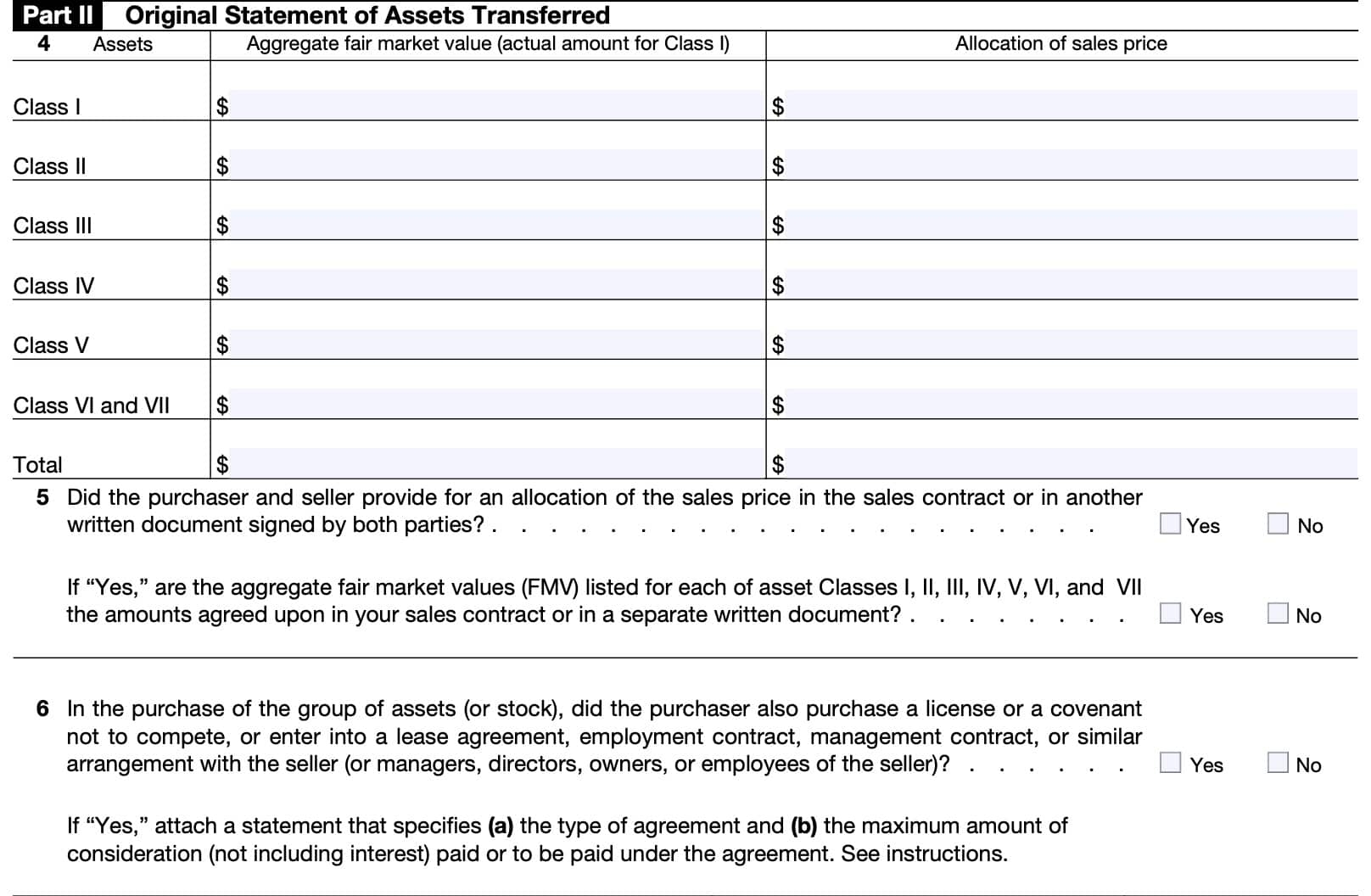
Irs Form 8594 Asset Classes
Irs Form 8594 Asset Classes
Asset classes play a significant role in determining the tax implications of a business sale. By properly allocating the purchase price among different classes, both the buyer and seller can benefit from tax advantages. Understanding the nuances of each asset class can help minimize tax liabilities and maximize returns.
It’s crucial to consult with a tax professional or accountant when dealing with IRS Form 8594 Asset Classes to ensure compliance with tax laws and regulations. They can provide valuable guidance on how to accurately report asset allocations and avoid potential audit issues.
In conclusion, IRS Form 8594 Asset Classes are an essential aspect of buying or selling a business. By familiarizing yourself with the different asset classes and seeking professional advice, you can navigate the complexities of tax implications and ensure a successful transaction.
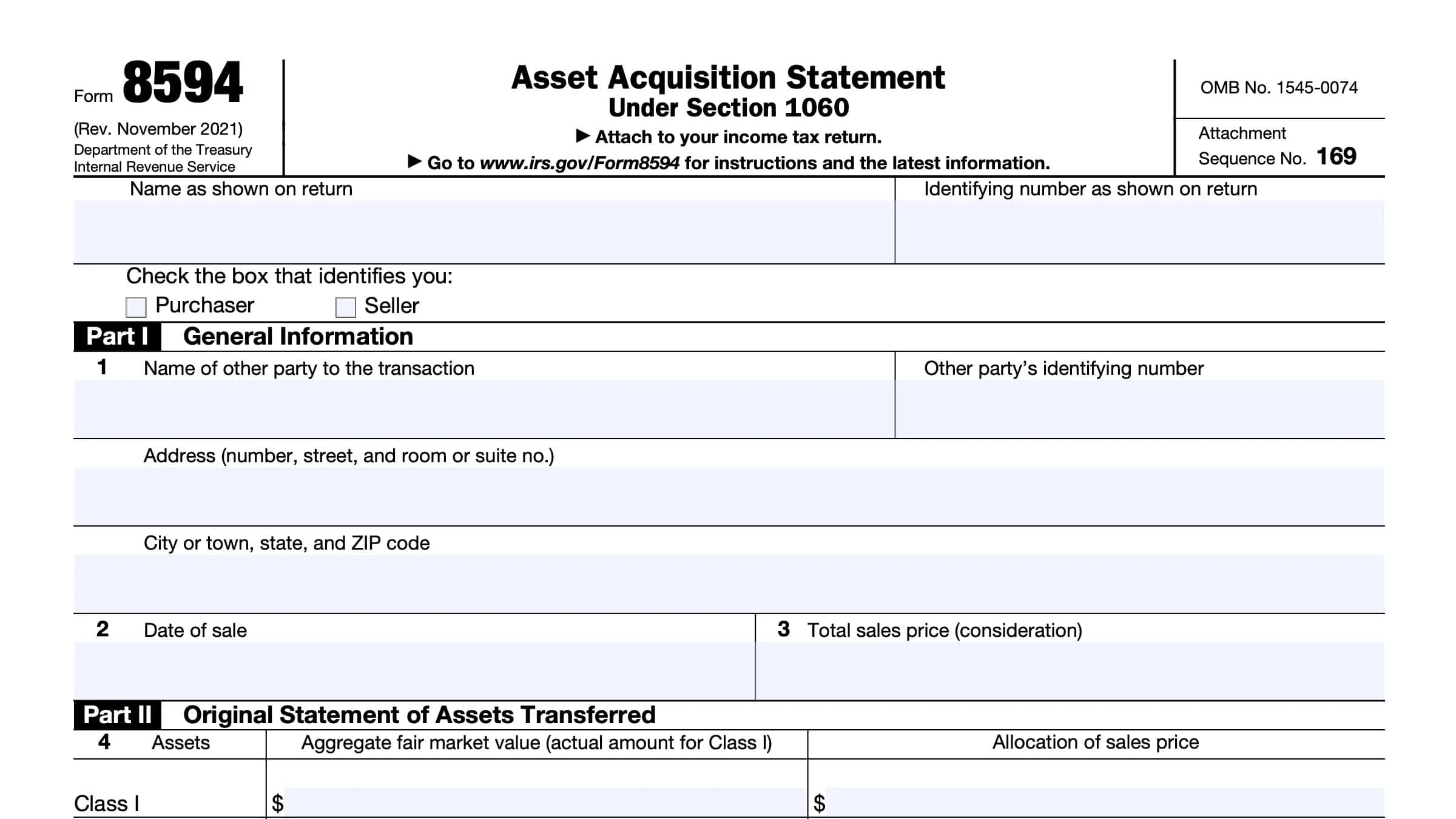
IRS Form 8594 Instructions Asset Acquisition Statement
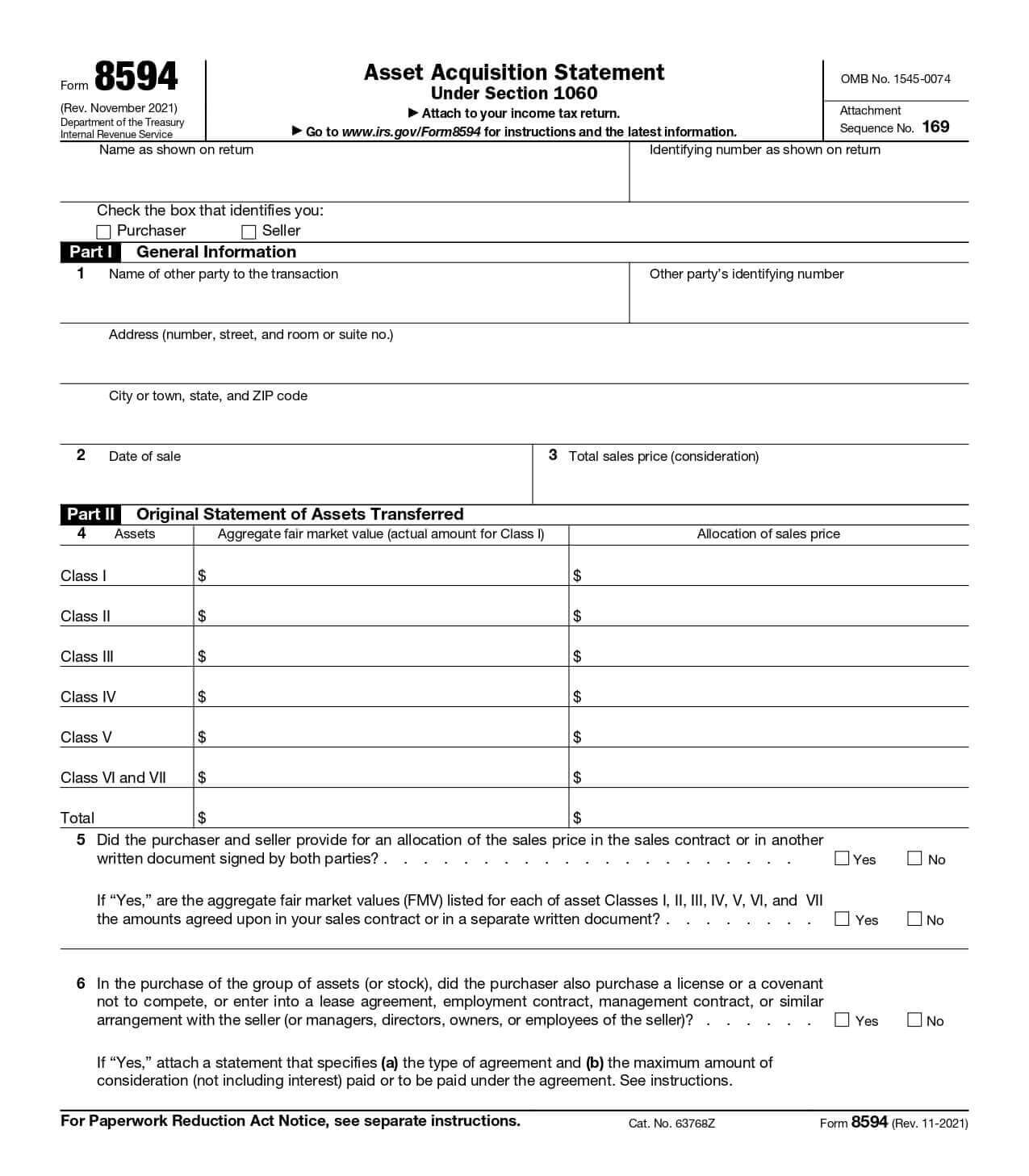
Form 8594 Everything You Need To Know Eqvista
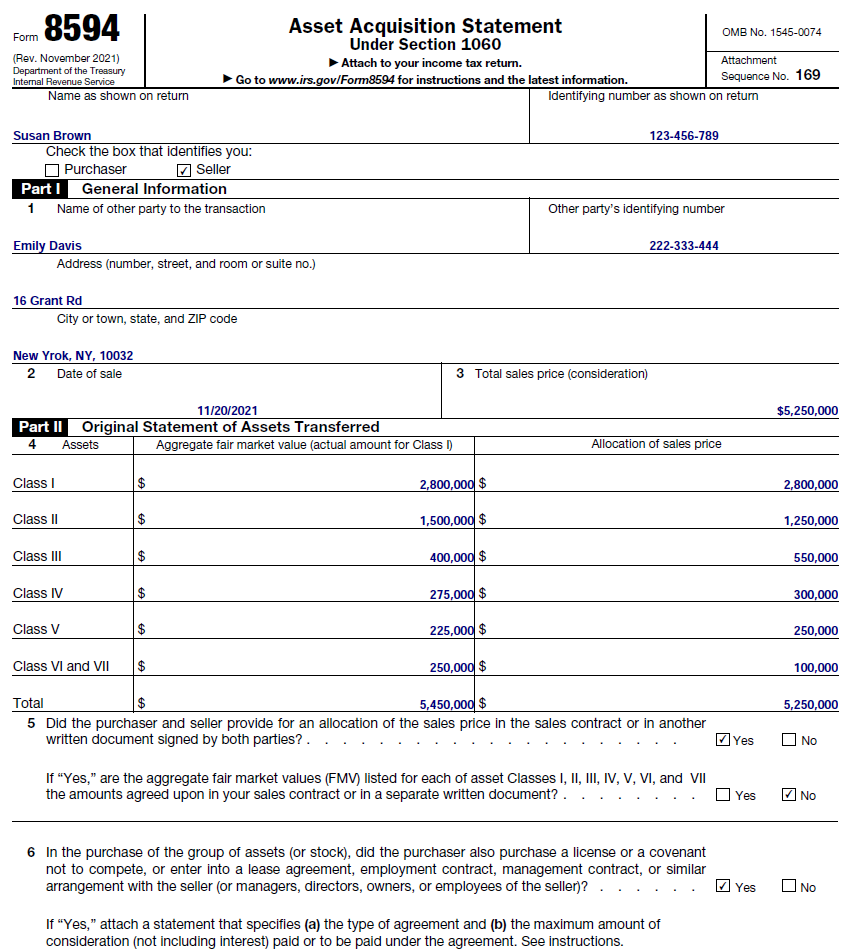
File Form 8594 Eqvista