
Are you familiar with IRS Form 706? This form, also known as the United States Estate (and Generation-Skipping Transfer) Tax Return, is a crucial document for individuals handling the estate of a deceased person. Understanding how to fill out Form 706 correctly can help you navigate the complex world of estate taxes.
When it comes to estate planning and taxes, Form 706 plays a significant role in determining the tax liability of the deceased person’s estate. By providing detailed information about the assets and liabilities of the estate, this form helps the IRS calculate the estate tax due.
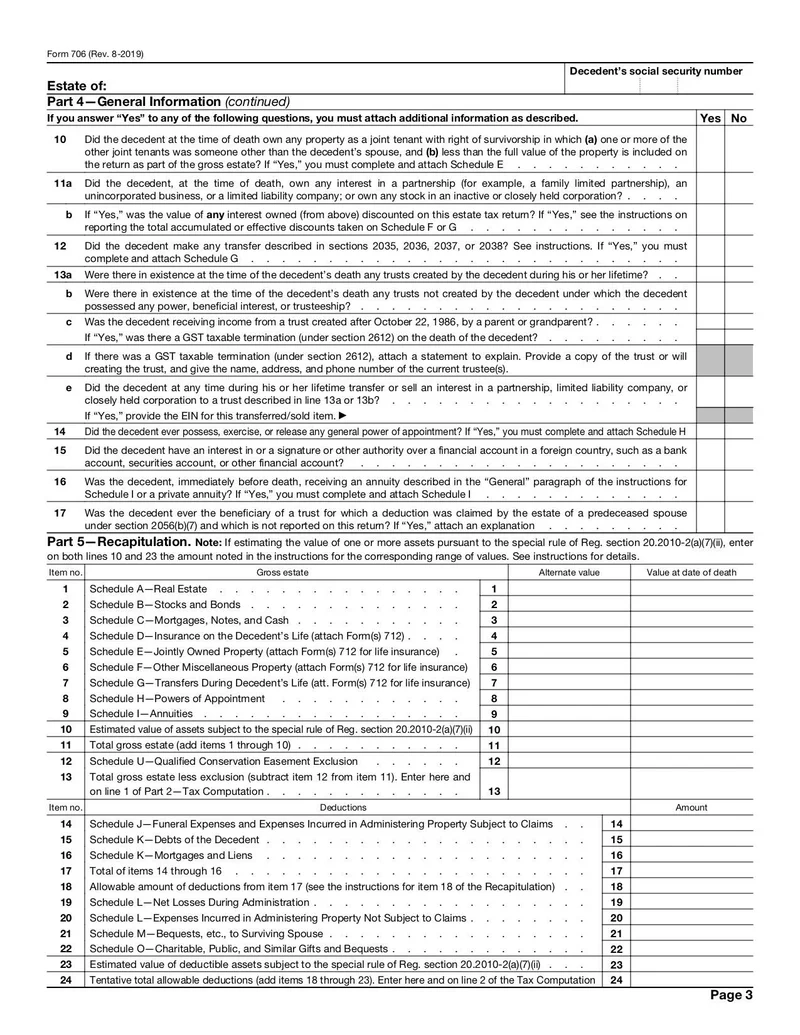
Irs Form 706
What is IRS Form 706?
Form 706 requires detailed information about the decedent’s assets, including real estate, investments, and personal belongings. Executors of an estate must accurately report these assets, as well as any debts or liabilities, to determine the estate’s overall value and tax liability.
It’s essential to consult with a tax professional or estate planning attorney when preparing Form 706 to ensure compliance with IRS regulations and maximize tax-saving opportunities. Failing to file this form correctly or missing the deadline could result in penalties and additional tax liabilities for the estate.
Overall, IRS Form 706 is a critical document in the estate planning process, helping to determine the tax obligations of the deceased person’s estate. By understanding the requirements and seeking professional guidance, you can navigate the complexities of estate taxes with confidence.
When it comes to estate planning and taxes, IRS Form 706 is a crucial piece of the puzzle. By taking the time to understand the requirements and seek expert advice, you can ensure that the estate tax process goes smoothly and minimize any potential tax liabilities.
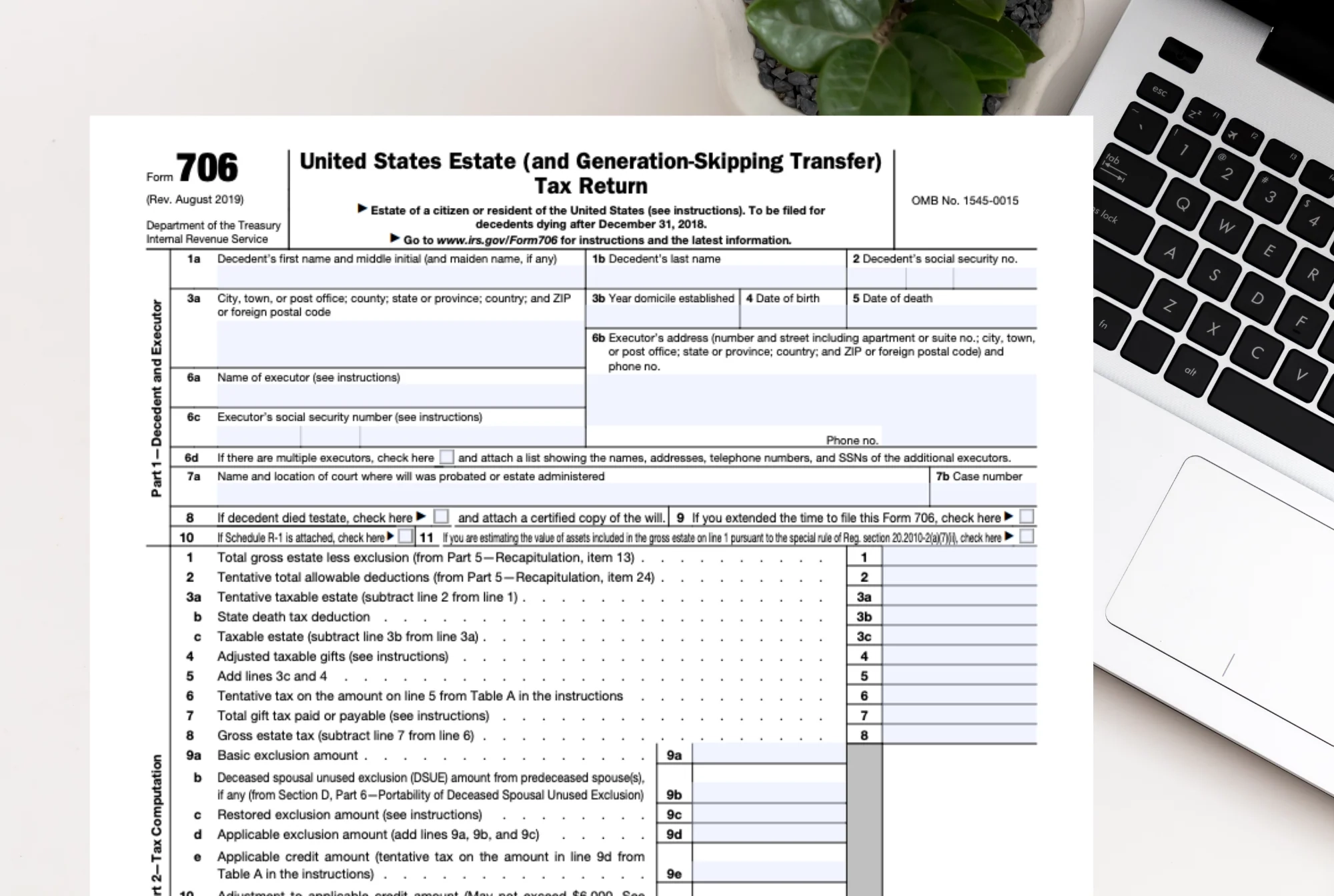
Estate Tax Returns Demystified A Tax Preparer s Resource For IRS Form
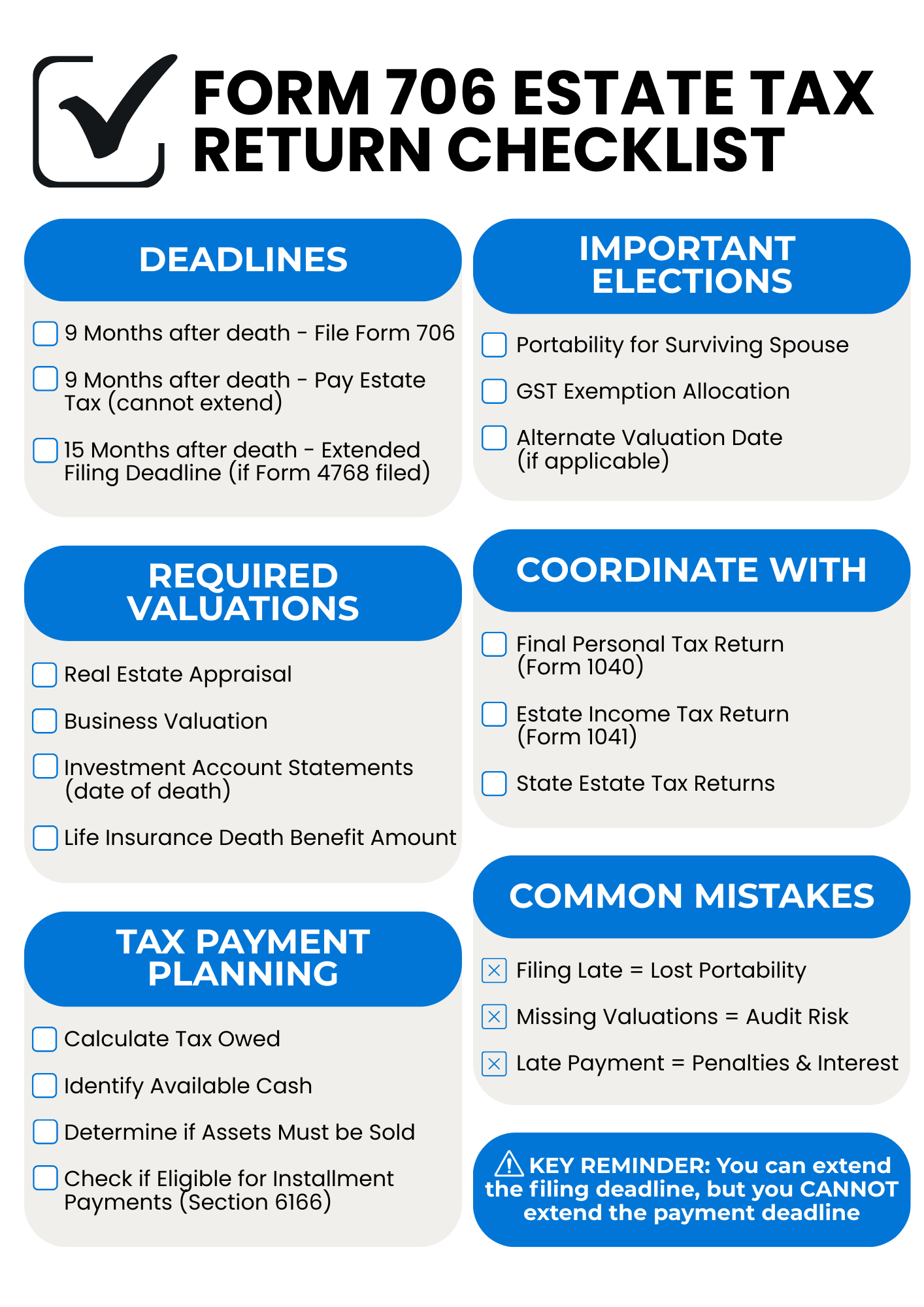
From Death To Deadlines An Overview Of Form 706 Federal Estate
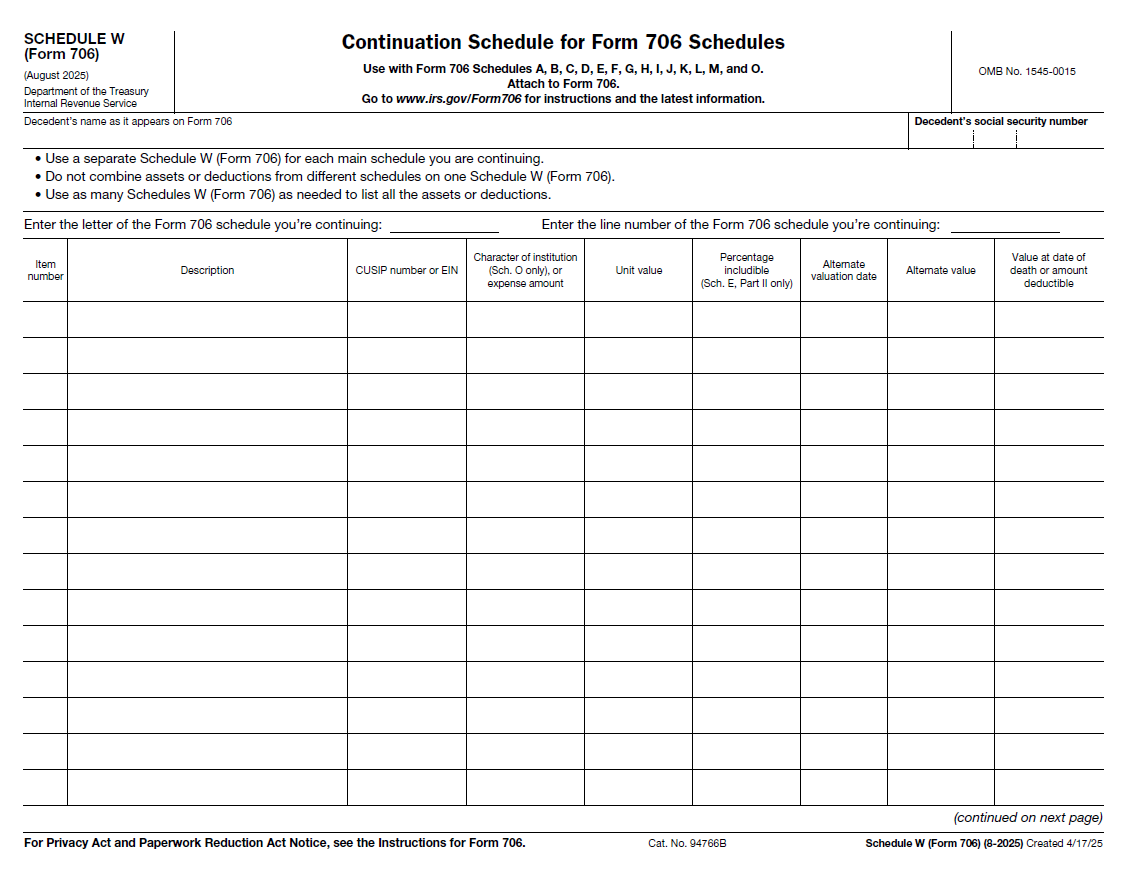
2025 Changes To IRS Form 706 By Griffin Bridgers