
Have you ever heard someone mention the term “PIR” in the context of incident management and wondered what it stands for? Well, you’re not alone! In this article, we’ll explore the full form of PIR in incident management and its significance.
Incident management is a crucial aspect of maintaining a smooth operation in any organization. When an incident occurs, it’s essential to document the details, including the root cause, impact, and resolution steps. This is where PIR comes into play.
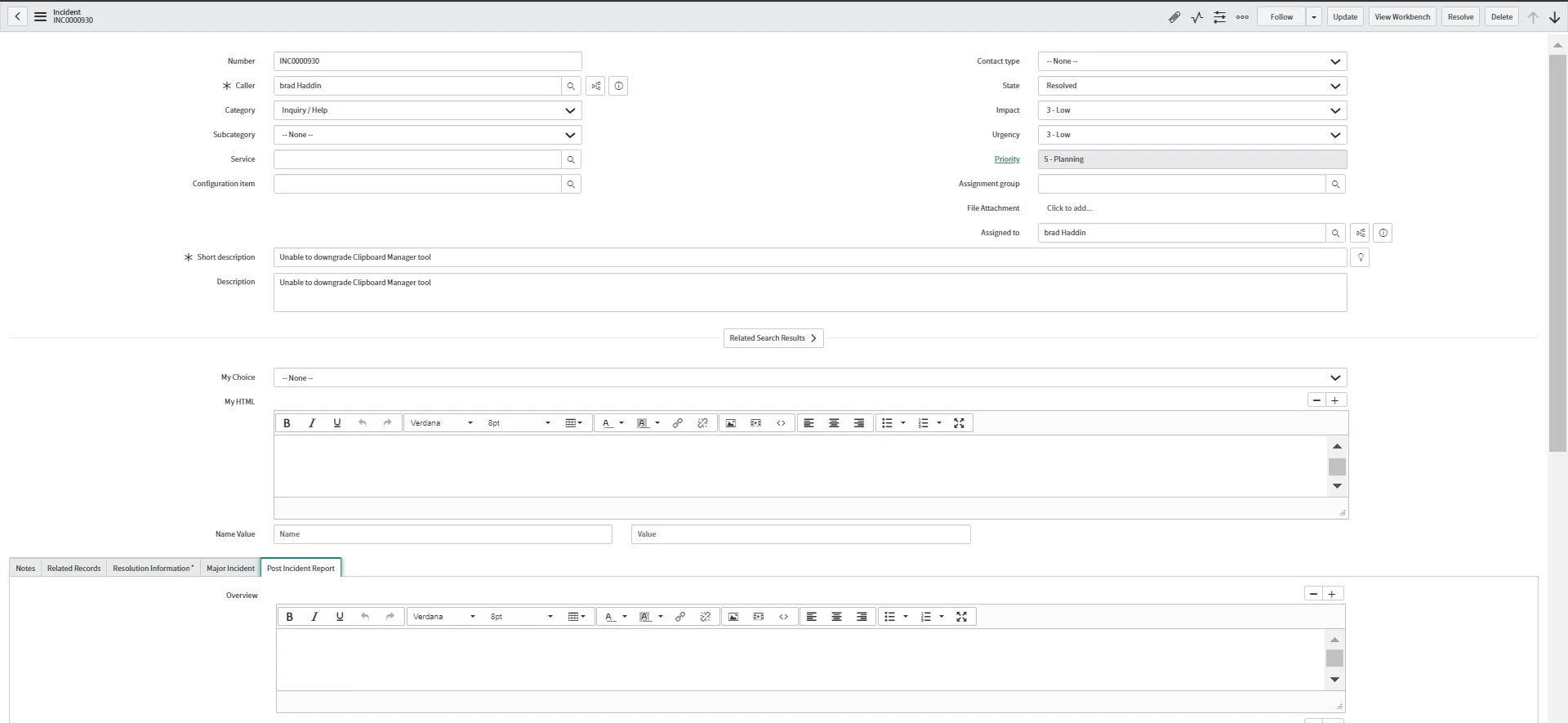
Pir Full Form In Incident Management
Pir Full Form In Incident Management
PIR stands for Post-Incident Review. It is a process that involves analyzing and evaluating an incident after it has been resolved. The goal of a PIR is to learn from the incident, identify areas for improvement, and prevent similar incidents from happening in the future.
During a PIR, the incident response team reviews the incident timeline, actions taken, communication processes, and any gaps or shortcomings that occurred during the incident response. This helps in identifying best practices, updating procedures, and enhancing the overall incident management process.
By conducting PIRs regularly, organizations can continuously improve their incident response capabilities, reduce downtime, and mitigate risks. It also fosters a culture of learning and accountability within the organization, leading to a more resilient and efficient operation.
In conclusion, understanding the full form of PIR in incident management is essential for organizations looking to enhance their incident response processes. By implementing PIRs effectively, organizations can learn from past incidents, improve their response capabilities, and ultimately, better protect their operations.

PIR In Incident Management How To Conduct A Successful Review
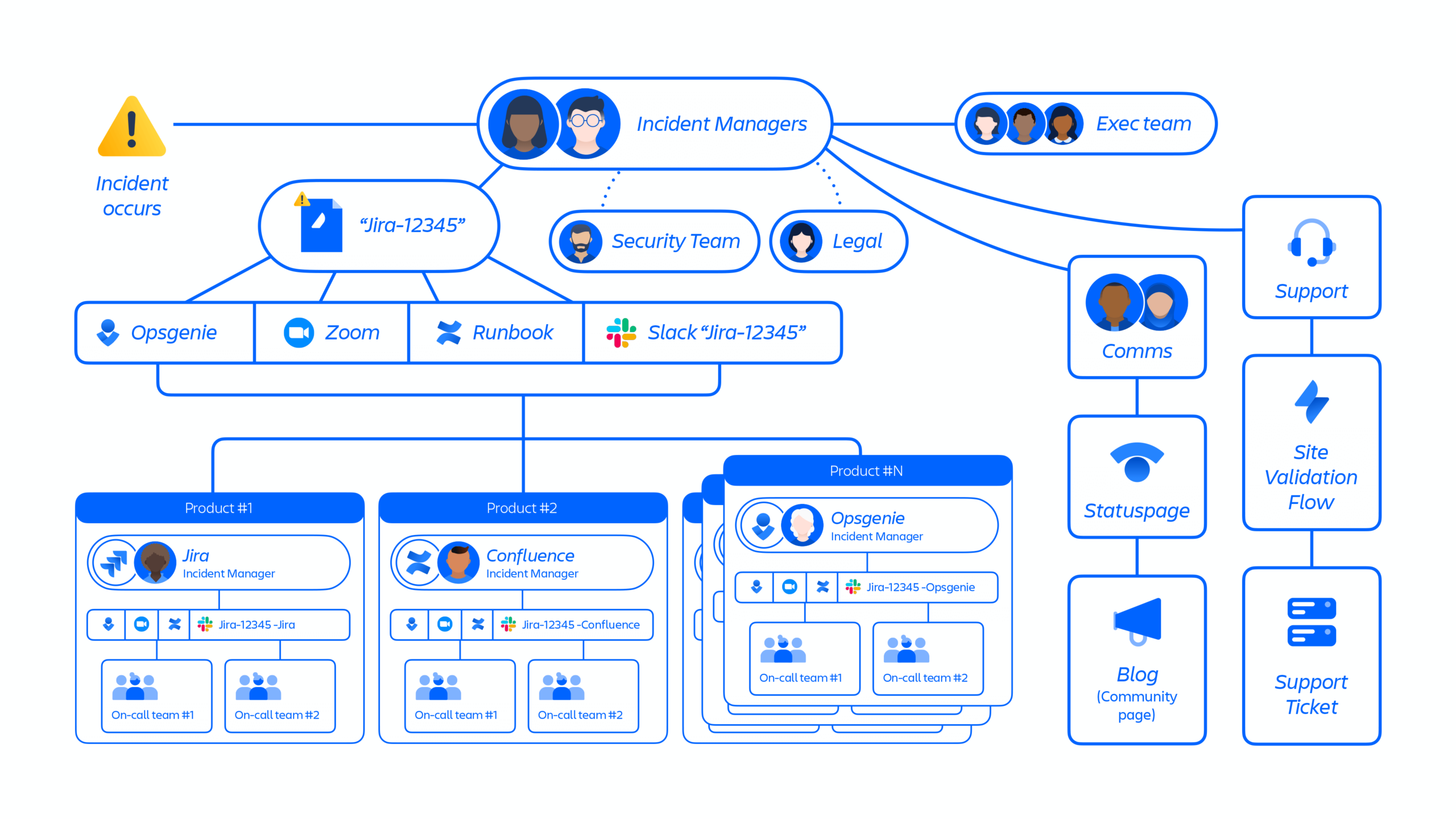
August Update On April 2022 Outage PIR Progress Work Life By
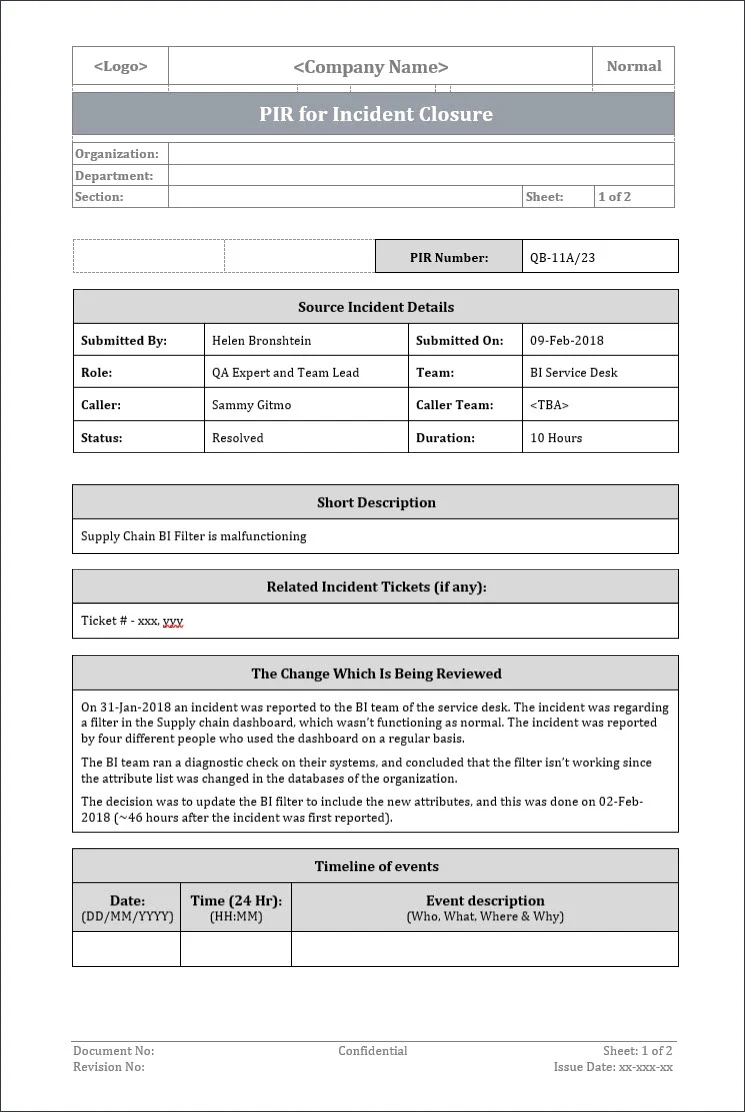
PIR Incident Closure Template